Foundation Crack Repair in Fort Wayne, IN
A crack in a basement wall or garage slab in Fort Wayne, IN might be a harmless curing line, or it might be a sign that part of the house has moved. We help homeowners across Allen County and nearby towns read the clues, explain the repair options and pass each request to a local foundation specialist.
Not sure if we cover your area? Check now ↓
Request a Foundation Estimate
Four quick fields. A local foundation specialist follows up to set the visit.
Your request goes to one independent local foundation specialist, who handles the visit, the written estimate and any repair; we do not inspect, bid on or guarantee work. Details: Referral Marketing Disclosure.
Hairline, Stair-Step and Horizontal Cracks
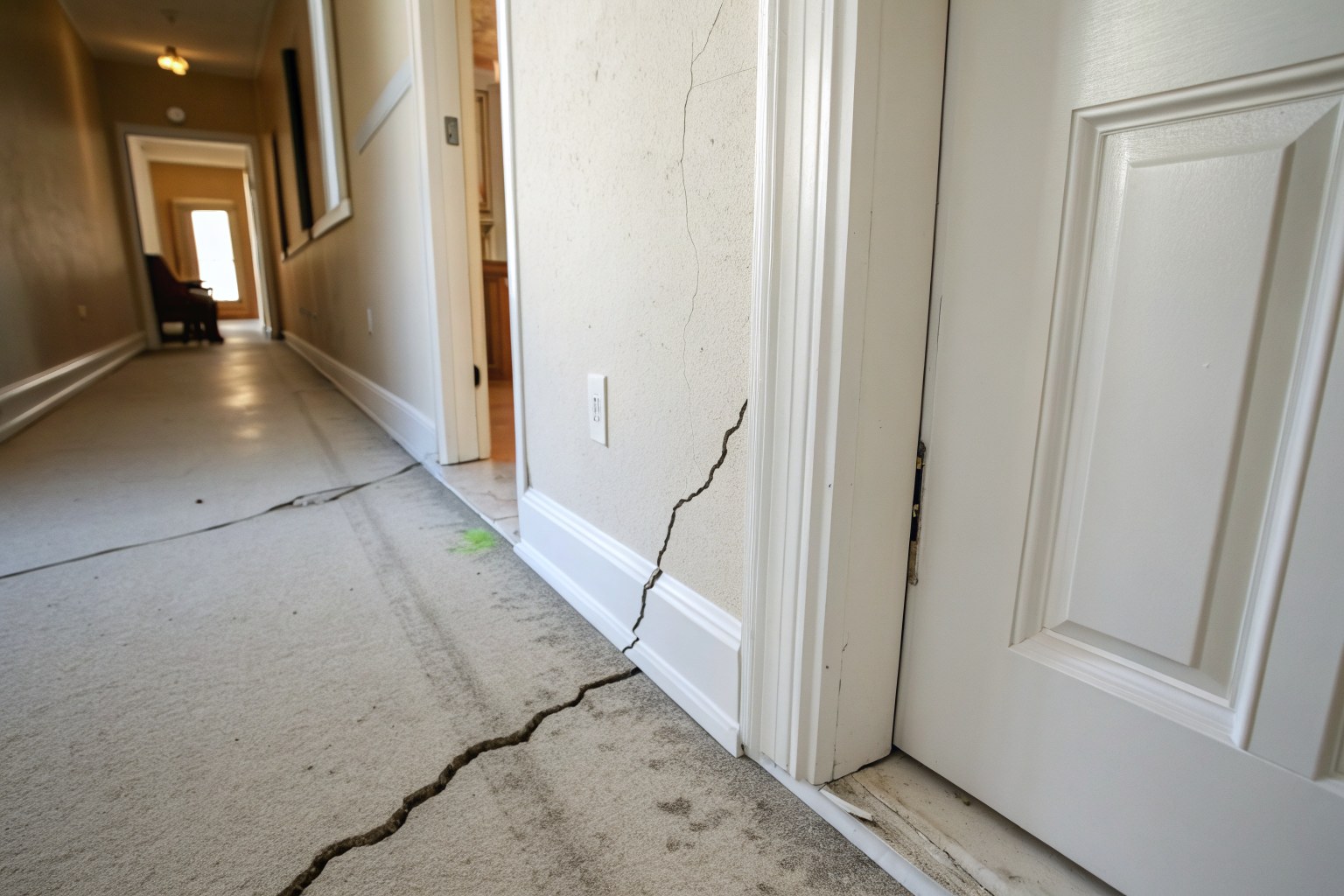
Poured concrete pulls in slightly as it cures, so thin vertical lines in a basement wall or garage floor turn up in plenty of solid homes. What deserves a closer look is change: a crack that widens, slants, lets water in, or appears around the time a door stops latching.
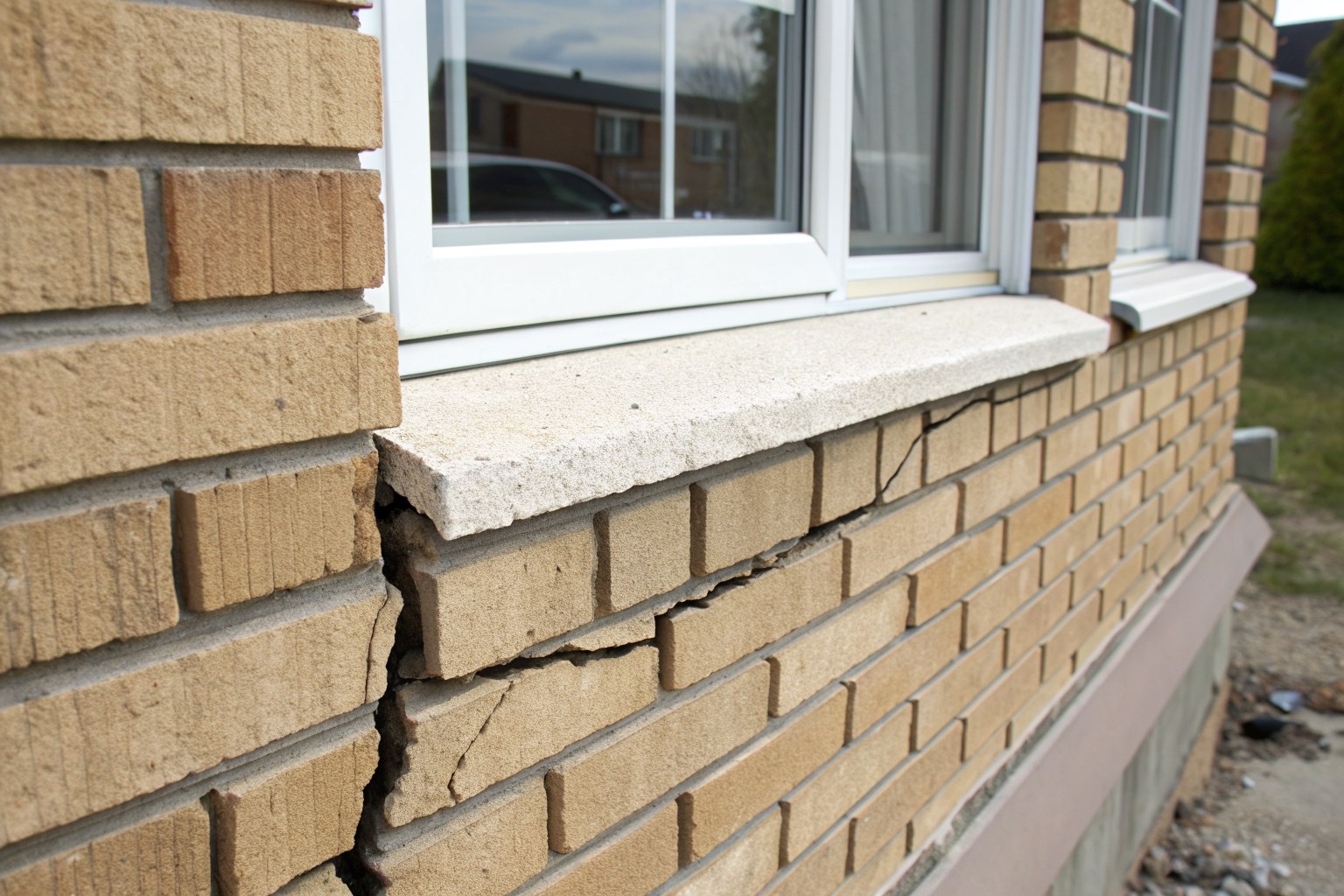
The pattern matters too. In a block basement wall or brick veneer, a stair-step crack climbs the mortar joints and can point to one corner settling more than the rest. A horizontal crack partway up a block wall, sometimes with the wall leaning in, can mean soil outside is pressing on it.
Mark each end with a pencil, date it and photograph it beside a ruler; a few weeks of notes helps the specialist.
Problems Foundation Crack Repair Is Meant to Fix
We explain what each crack can mean; a local foundation specialist decides what, if anything, to do after inspecting the wall.
- Thin lines from curing. Cracks thinner than a credit card are common in poured walls and slabs and may want sealing or simply watching.
- Stair-step cracks in block or brick. Steps that follow the mortar can come from uneven settling under one section of wall.
- Horizontal cracks and bowing. A long crack across a block wall, or a wall leaning in at the middle, can mean pressure from the soil outside.
- Cracks that let water in. Damp edges or a stain after rain show water working through the wall.
Foundation Crack Repair Price Ranges to Expect
Sealing one crack sits at the small end of foundation work; a bowed wall or an engineer's opinion raises the figure. Home-cost sites supply these national ranges; treat none of them as our price, a quote or a bid.
| Cost row | Figure | Source (year) |
|---|---|---|
| Crack repair, per crack | about $250 to $800 | This Old House (2026) |
| Bowed basement wall repair | about $5,000 to $15,000 (wall anchors, carbon fiber straps or helical tiebacks) | HomeGuide (2026) |
| Structural engineer's report | about $500 to $1,000 | This Old House (2026) |
Every range we use sits in the foundation repair cost guide, and the cost calculator sketches a planning figure for pier work.
What to Expect on Repair Day
The steps depend on what the specialist finds, and the repair crew agrees on timing with you.
- Your request. Tell us where the crack is, how wide it looks, whether it leaks and how long you have watched it. We pass it to a local foundation specialist, who arranges a visit.
- The inspection. The specialist measures the crack, checks nearby doors and floors, and looks at downspouts and grading on that side.
- The permit. Foundation repair in Allen County usually needs a permit from the Allen County Building Department, and the County's fee schedule counts it wall by wall. Ask the specialist who pulls it before work begins.
- The repair. On a poured wall, the crew often injects epoxy to bond the crack or polyurethane foam to block water. Brick and block joints may be repointed. A bowed wall may get braces, anchors or carbon fiber straps instead.
What Foundation Crack Repair Protects
Sealing a crack is meant to keep water and soil out of the basement. Dealing with whatever opened it can help the wall stay put, so floors stay flat and doors and windows keep working.
Local ground explains why basement walls here get attention. Much of Allen County sits on clay-rich glacial till, with soils such as Blount and Pewamo that drain slowly and hold water near the surface in late winter and spring. NOAA's engineering weather data lists an average of 56 freeze-thaw cycles a year at Fort Wayne (1973–1996 record), and wet clay that freezes and thaws can push against a block or poured wall.
What Homeowners Want to Know
Is every basement wall crack a concern?
No. Thin vertical lines from curing show up in many sound walls. Watch for change instead: a crack that widens, slants, leaks or arrives with sticking doors is the kind to mention.
What can a horizontal crack in a block wall mean?
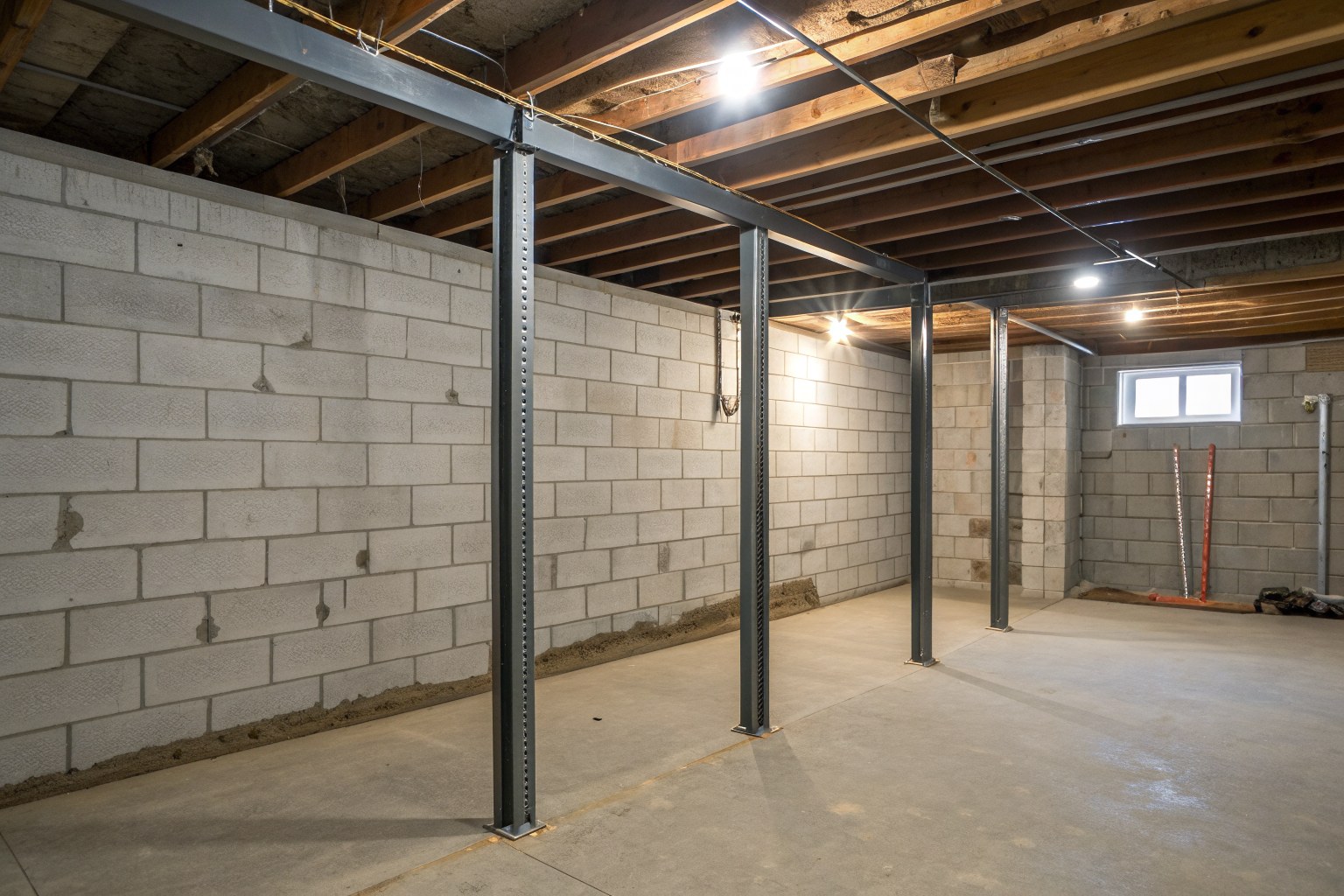
It can mean soil outside is pushing the wall inward, especially if the wall bows near the crack. The specialist measures how far the wall has moved and explains the options, which can range from watching it to bracing it with anchors or straps.
Why might new cracks show up after the past two years?
Fort Wayne's 2025 total of 24.31 inches, 15.17 inches below normal, made it the city's driest year on record, per the National Weather Service. Between March 31 and April 4, 2026, another 3 to 6 inches of rain followed. Clay that dries out and then soaks can shift, so it is a sensible time to check.
Should an engineer look at the crack?
Asking is fair, especially for a horizontal crack or a leaning wall. A licensed professional engineer can evaluate the wall and write a repair plan. Allen County asks for a stamped engineer's letter only in certain cases, such as work that departs from code, so ask whether your repair needs one.
If Foundation Crack Repair Isn't the Fit
When a crack turns out to be part of wider movement, foundation repair walks through piers and wall bracing, slab foundation repair deals with settled concrete floors, crawl space and pier and beam repair looks at sagging framing, house leveling explains raising low rooms, and the foundation warning signs quiz or cost calculator can help next.
Request a Crack Repair Estimate
Fill in the estimate request with where the crack is, roughly how wide it is and whether it has changed since you spotted it. A local foundation specialist inspects it and writes any estimate, and may find the crack needs only watching. Sending the form costs nothing.