House Leveling for Fort Wayne, IN Homes
House leveling raises the low parts of a home back toward level, and in Fort Wayne, IN that work can happen on a slab, over a crawl space or under a full basement. We explain how it goes on each, what it costs nationally and why water matters, then pass your request to a local foundation specialist in Allen County.
Not sure if we cover your area? Check now ↓
Request a Foundation Estimate
Four quick fields. A local foundation specialist follows up to set the visit.
Your request goes to one independent local foundation specialist, who handles the visit, the written estimate and any repair; we do not inspect, bid on or guarantee work. Details: Referral Marketing Disclosure.
House Leveling in Fort Wayne
Fort Wayne has full basements, crawl spaces and slabs, and leveling looks different on each. Over a crawl space, the specialist can reach the beams: support jacks raise a low beam a little at a time, then new shims, posts or piers hold it at the new height. In a basement home, a sagging main floor is often brought up from below with adjustable steel posts under the beam. On a slab, the low edge is usually lifted on piers set under the footing.
The aim is close to level, not a perfect tabletop, reached in small lifts with readings between each.
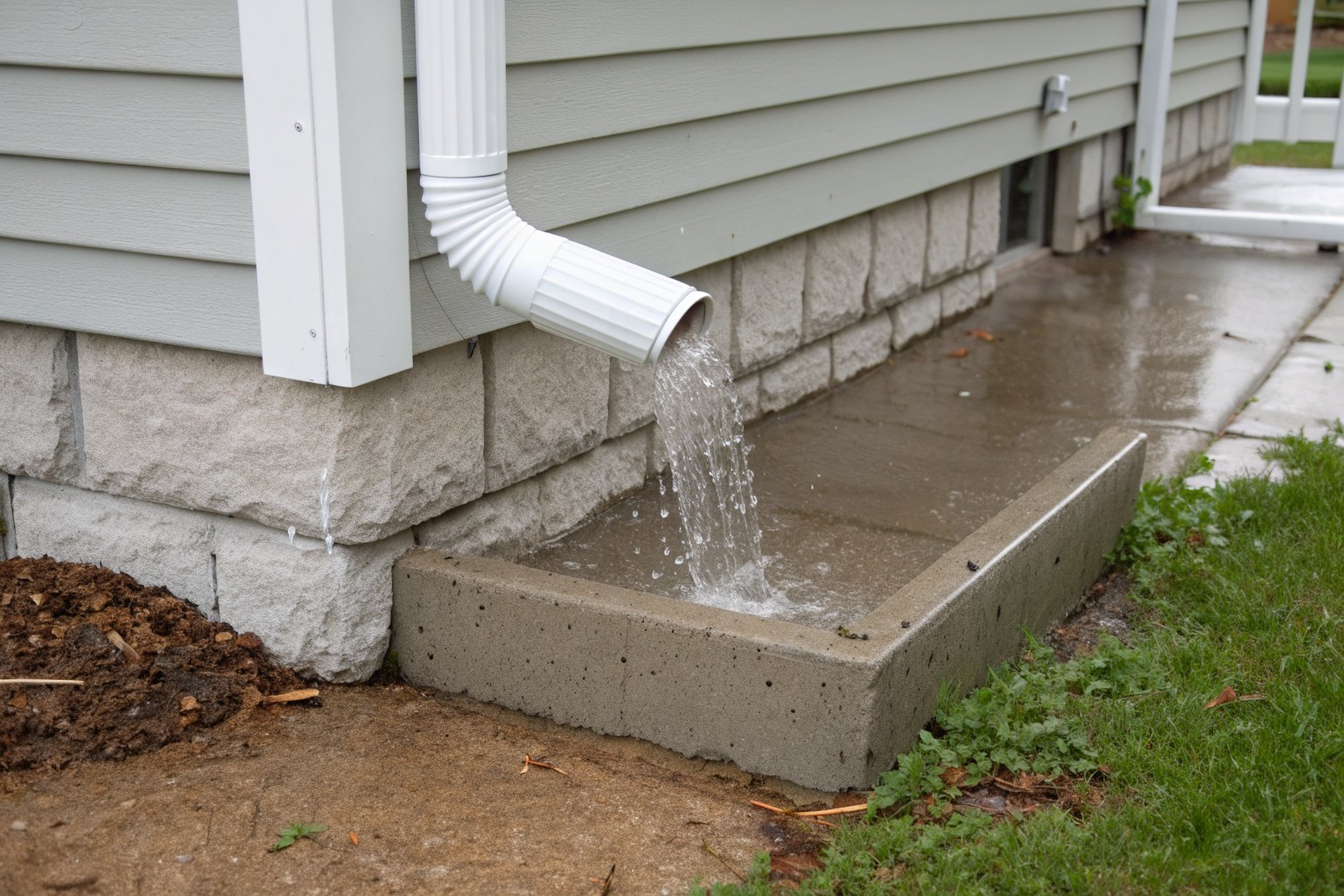
Lifting by itself may not last. If downspouts empty against the walls, a sump pump discharges right beside the foundation or the crawl space stays damp, the soil under the new supports can keep moving. A sound plan handles the water along with the lift.
Problems House Leveling Is Meant to Fix
We describe the signs; a local foundation specialist measures the floors and decides whether leveling fits at all.
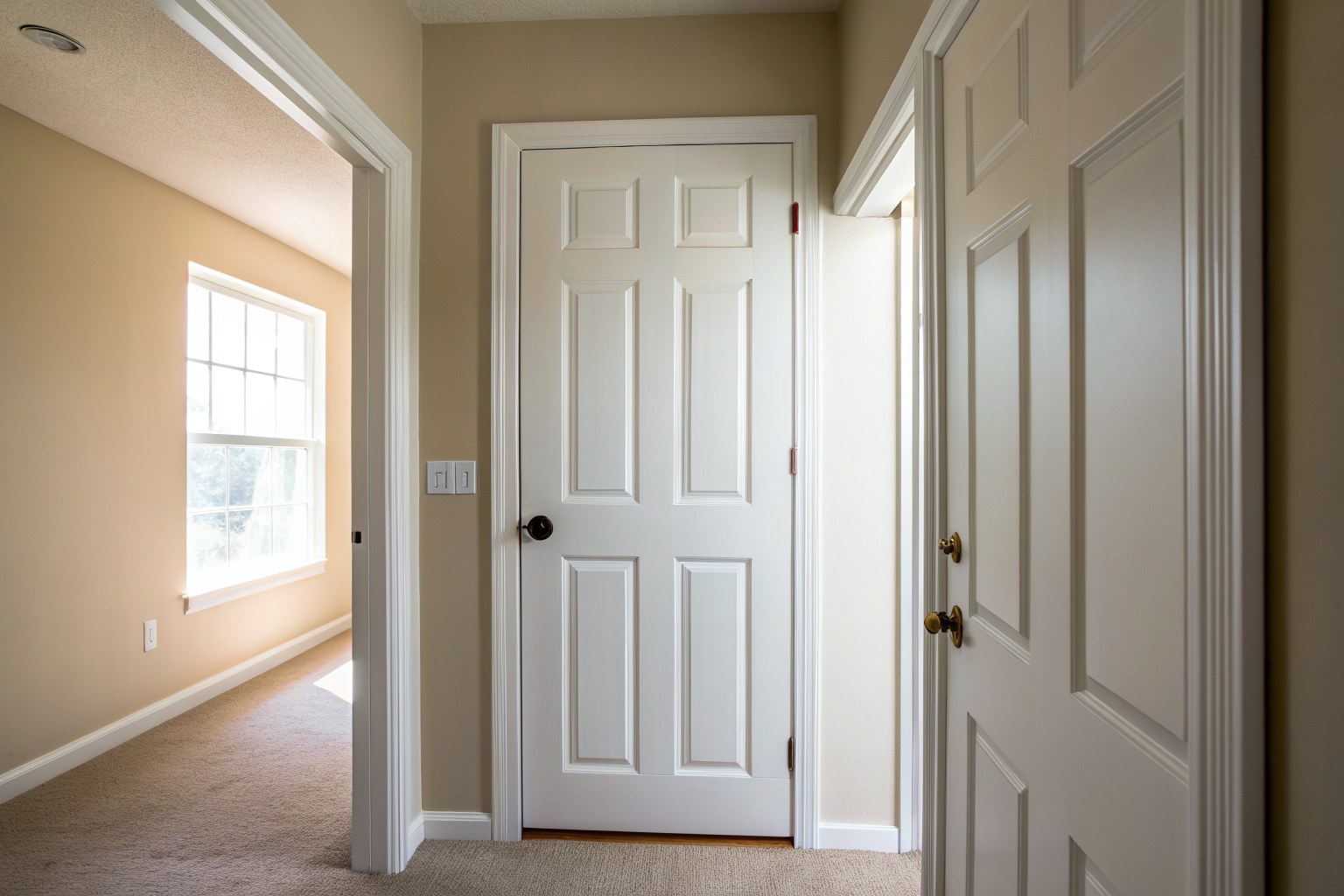
- Floors that run downhill. A marble that rolls toward one wall, or a dresser that rocks, is worth writing down.
- Doors and windows out of square. A door that swings on its own, or a window that binds, can follow a frame that has dropped.
- Worn supports below. A leaning post, a crushed shim or a damp sill in a crawl space can leave a beam sitting low.
- A dip over the main beam. In a basement home, a soft line across the middle of the floor above can trace a beam that has sagged between posts.
House Leveling Price Ranges to Expect
Shimming a crawl-space beam usually costs far less than underpinning a settled slab. These are national figures from home-cost sites. They are not our price and not a quote or bid.
| Cost row | Figure | Source (year) |
|---|---|---|
| House leveling | shimming runs about $1,000 to $3,500, and underpinning for extensive damage about $10,000 to $20,000 | HomeGuide (2026) |
| Piers, per pier | about $1,000 to $3,000 | This Old House (2026) |
| Crawl space repair | about $2,500 to $8,000; can pass $15,000 | HomeGuide (2026) |
The cost calculator counts piers, so treat its range as a rough fit for basement and crawl-space homes leveled from below. The foundation repair cost guide holds every other row.
What to Expect on Repair Day
Leveling happens in stages, and the specialist puts the schedule in the written estimate.
- Your request. Tell us which rooms slope and whether the home sits on a slab, over a crawl space or on a basement. We hand it to a local foundation specialist, who schedules the visit.
- A floor survey. The specialist takes elevation readings room by room to find the low points, then checks the beams, posts or footings beneath them.
- A written plan and permit. The plan should show where jacks, shims, posts or piers go, plus any drainage or sump changes; ask who handles any plumbing tie-in. In Allen County, foundation repair usually needs a building permit, which comes from the Allen County Building Department, so ask the specialist who pulls it before work begins.
- Lifting in stages. The repair crew raises the house a bit at a time, sets supports at the new height and repeats the readings.
What House Leveling Protects
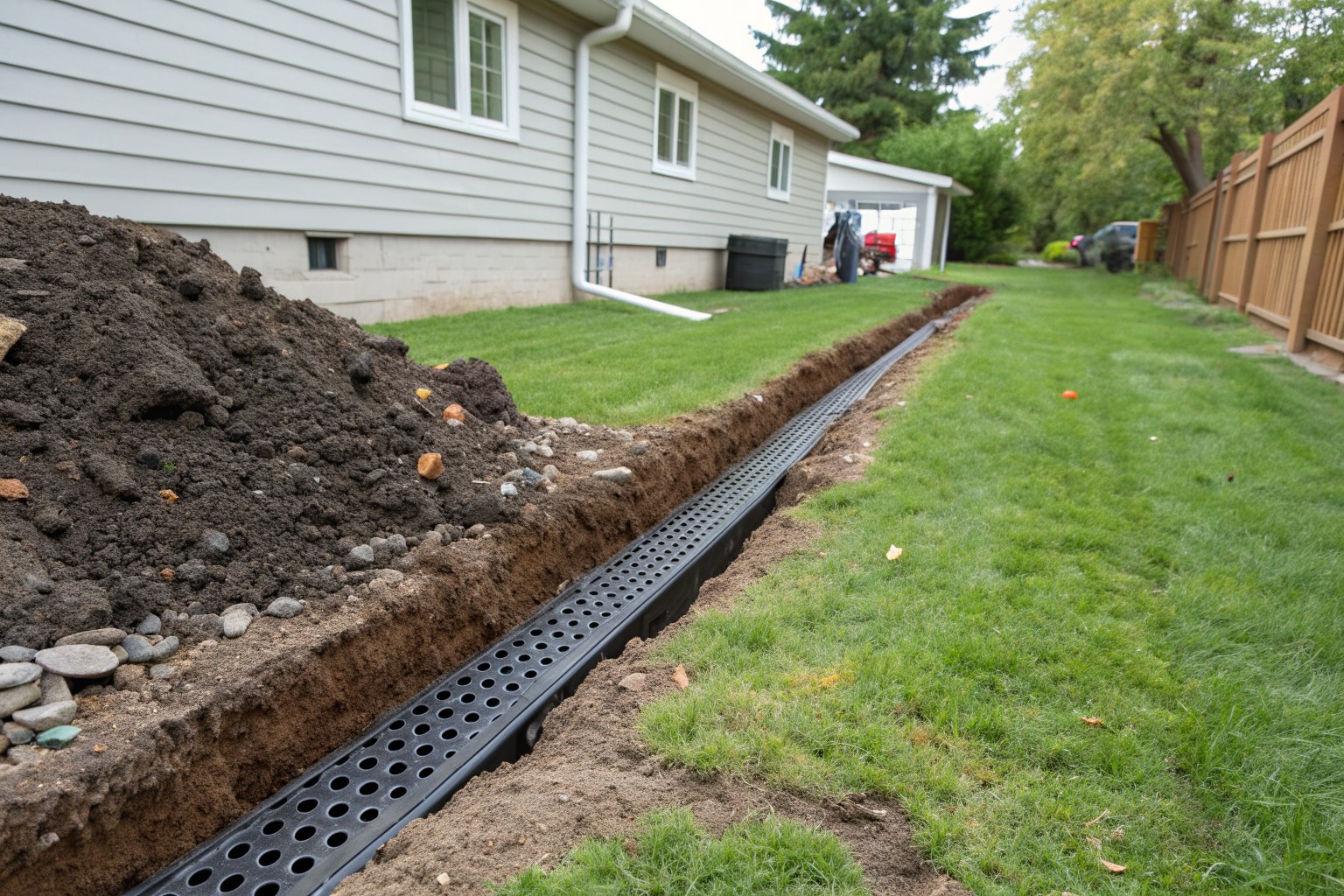
Leveling is meant to bring floors, doors and windows back into line and give the frame steady support. Paired with drainage that carries water away from the house, it can help the result hold.
Water is why that pairing matters in Allen County. Clay-rich soils such as Hoytville, found mainly in northwestern Ohio, northeastern Indiana and southeastern Michigan, keep a high water table from January through April. Fort Wayne logged just 24.31 inches of precipitation in 2025, its driest year on record by the National Weather Service's count. Then rain from March 31 to April 4, 2026 sent the Maumee at Fort Wayne from 7 feet to 17 feet between March 31 and April 1. Ground that goes from parched to soaked can shift supports, so new slopes or sticking doors are worth a look.
What Homeowners Want to Know
Will leveling hold if the water problem stays?
Maybe not. Supports set in soil that keeps getting soaked can settle again, which is why the cause matters as much as the lift. Ask the specialist what made the floor drop, and which gutter, grading, sump or crawl-space moisture steps the written plan includes.
How is leveling different in a basement home?
In a basement, the beam that carries the main floor usually rests on posts, so a sag in the middle of the house is often corrected from below with new or adjustable posts. If a basement wall itself has settled, the work moves outside the wall, often to piers. The specialist explains which applies after the floor survey.
Could leveling crack my drywall or tile?
Some new cracking is possible, because finishes have set into the old slope; small lifts lower the odds. Ask how far the crew plans to lift, how they check between lifts, and whether patching drywall or trim is part of the written scope.
If House Leveling Isn't the Fit
Leveling often goes hand in hand with crawl space and pier and beam repair or slab foundation repair, cracks left behind are explained on foundation crack repair, foundation repair compares every method, and the foundation warning signs quiz and cost calculator can help before you write in.
Ask About Leveling Your Home
Send the estimate request with your address, the rooms that slope and the type of foundation, if you know it. We hand it to a local foundation specialist, who takes the readings and writes any estimate. Whether to go ahead is always your decision.