Crawl Space & Pier and Beam Repair in Fort Wayne, IN
If your home sits over a crawl space in Fort Wayne, IN, its floors rest on beams, posts and a perimeter wall a short way above the soil. Here we walk through the parts that wear under a raised floor and the fixes a local foundation specialist may suggest. We take requests from across Allen County and from Ossian.
Not sure if we cover your area? Check now ↓
Request a Foundation Estimate
Four quick fields. A local foundation specialist follows up to set the visit.
Your request goes to one independent local foundation specialist, who handles the visit, the written estimate and any repair; we do not inspect, bid on or guarantee work. Details: Referral Marketing Disclosure.
Sagging Floors and Crawl Space Problems
If your home sits over a crawl space, the floor framing rests on a sill plate atop the foundation wall and on beams carried by posts or piers inside. Pier and beam is one way such a home is built. Shims fill gaps between posts and beams. When a post settles, a shim crushes or wood stays damp too long, the floor above can sag or bounce.
Clay-rich glacial till soils such as Blount and Pewamo drain slowly, and Blount can carry a perched water table just half a foot to two feet down in normal years (NRCS). A crawl space in ground like that can stay damp through the wet season.
The specialist may add new shims under a beam, set extra posts under a long beam span, put new piers under a settled post, or sister a weak joist by bolting a fresh board beside it. Drainage work often goes with it.
Where exterior work touches a home in a Fort Wayne local historic district, its permit is sent for a Certificate of Appropriateness review, so talk to the specialist and the City's Historic Preservation staff.
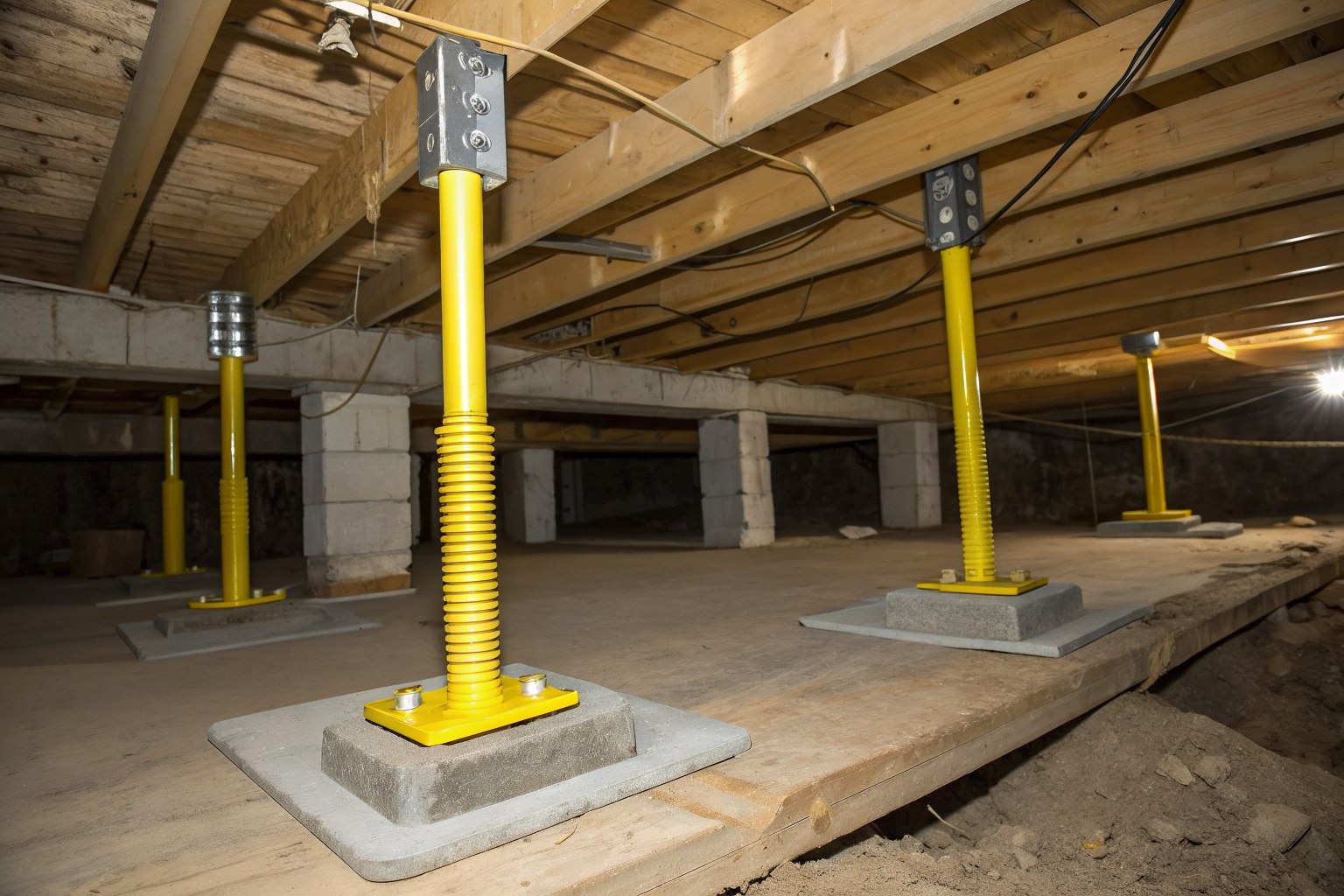
Problems Crawl Space Repair Is Meant to Fix
The specialist decides what the house calls for after going underneath. We only explain the signs.
- A floor that dips or flexes. A low spot mid-room or a floor that gives underfoot can follow a dropped post or crushed shims.
- A wet or musty crawl space. Puddles, damp soil or an earthy odor point to moisture near the framing and posts.
- Spongy sill plates or joists. Framing that flakes when probed with a screwdriver has often spent years in damp air.
- Posts that lean or split. A post that tilts, cracks or stands clear of its beam no longer carries its share.
Crawl Space Repair Price Ranges to Expect
Work under a raised floor runs from a few shims to new posts and joists, so ranges are wide. The national figures below, from home-cost sites, give a planning range only. They are not our price, a quote or a bid.
| Cost row | Figure | Source (year) |
|---|---|---|
| Crawl space repair | about $2,500 to $8,000; can pass $15,000 | HomeGuide (2026) |
| Piers, per pier | about $1,000 to $3,000 | This Old House (2026) |
| Structural engineer's report | about $500 to $1,000 | This Old House (2026) |
The cost calculator counts piers, so treat it as rough here; every row is in the foundation repair cost guide.
What to Expect on Repair Day
Job length turns on how much framing is replaced and how tight the space is; the estimate sets the schedule.
- Your request. Tell us about the floors, and we pass it to a local foundation specialist, who sets up a visit.
- The crawl-through. The specialist inspects every support from post to sill plate, notes any moisture, and records where the floor runs low.
- The written scope. It should name which supports get reset or added, which boards are sistered or swapped, drainage steps, who handles any plumbing connection, the warranty and the price.
- The permit. In Fort Wayne and elsewhere in Allen County, foundation repair usually needs a permit from the Allen County Building Department, pulled before work starts.
- The work. The repair crew raises the beams by small amounts, fits the new supports, swaps out damaged framing and takes the floor readings a second time.
What Crawl Space Repair Protects
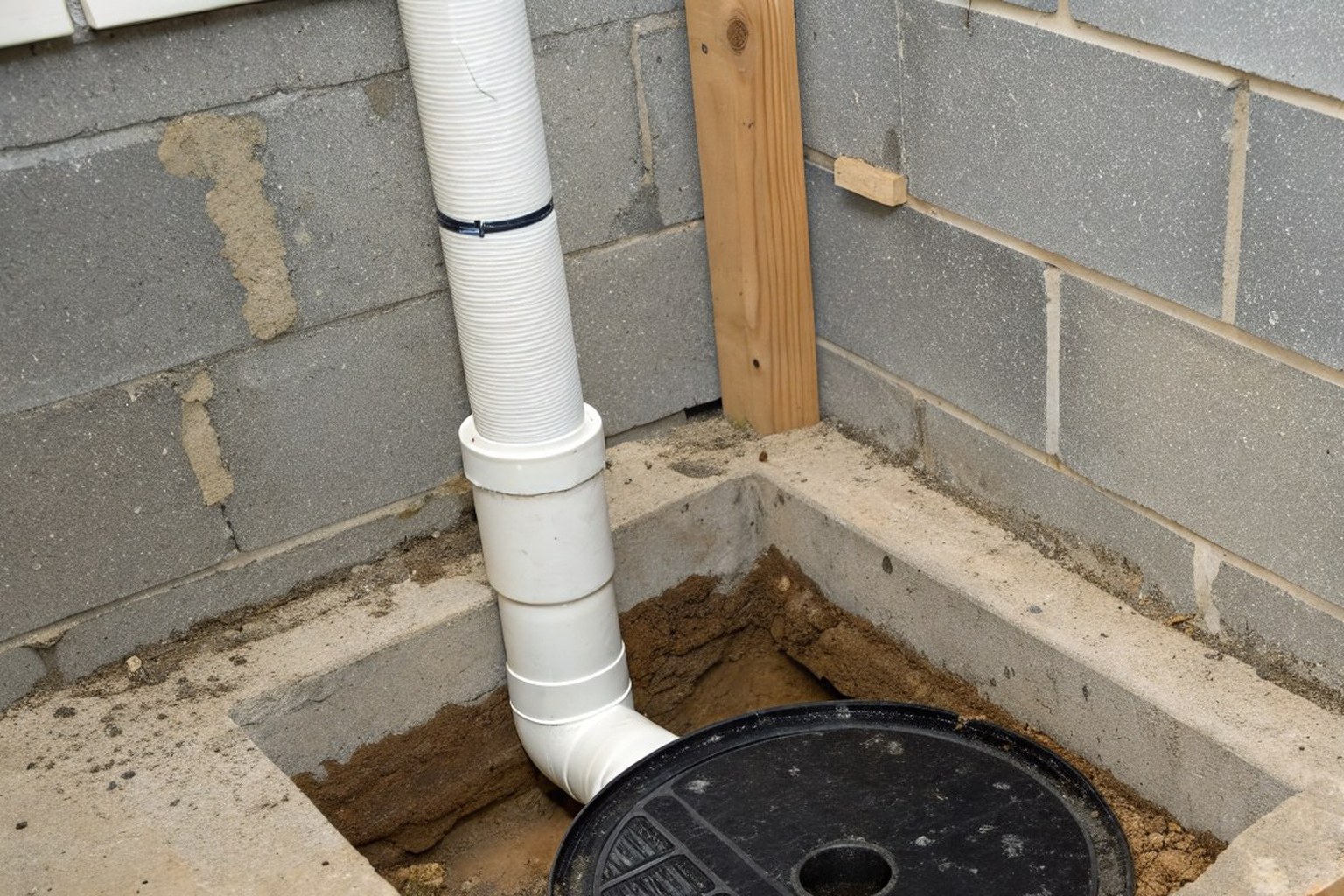
Crawl space repair is meant to give the floor framing firm, dry support. Carrying downspout water and sump discharge away from the walls can help the soil under each post stay steadier through wet springs and the 56 freeze-thaw cycles NOAA counts for Fort Wayne in an average year.
Ask the specialist what each step is for and whether the written warranty passes to a later owner. You decide if and when anything goes ahead.
What Homeowners Want to Know
How do I know whether my house has a crawl space?
Look low on the foundation for a hatch or a line of small vents. Indoors, the first floor usually sits a few steps above the yard. Some homes pair a partial basement with a crawl space; mention both if so.
Can new shims fix a sagging floor?
Sometimes. When posts, beams and footings are sound, fresh shims can bring a beam back up. If a post has settled or the wood has softened, the plan may call for new posts, piers or sistered joists. Have the specialist put the reason for each choice on paper.
Why does moisture under the floor matter?
Wet soil can let a post settle, and damp wood weakens. Where the water table runs high in late winter and spring, the specialist may suggest drainage changes too. If a sump or drain tie-in comes up, ask who handles any plumbing connection.
What should I check before hiring anyone?
Contractors on Allen County jobs must be licensed and registered with the County's Building Department, so have the specialist show its registration and check it on Citizen Access or with the Building Department. Ossian homeowners should ask the Wells County Area Plan Commission about its contractor rules. Get a written contract signed by the contractor first, and ask whether a licensed professional engineer will evaluate the repair.
If Crawl Space Repair Isn't the Fit
Raised homes sometimes also call for house leveling or foundation crack repair, concrete floors are explained on slab foundation repair, basement walls are on foundation repair, and our foundation warning signs quiz can sort out symptoms you can't place.
Bouncy Floors? Request an Inspection
Send an estimate request with a short note about the floors and the space underneath. We hand it to a local foundation specialist, who goes under the house, inspects the supports and writes the estimate. Whether anything happens after that is up to you.